Lake St. Clair Boating Guide: Musky, Marinas and the Canadian Border
Lake St. Clair boating guide: 430 shallow square miles, a world-class musky and smallmouth fishery, the Nautical Mile marina strip and the two-country rules of a border lake.
9 min readLake St Clair
A Lake St. Clair boating guide starts with a lake that breaks the Great Lakes pattern: 430 square miles averaging just 11 feet deep, shared by two countries and some of the densest recreational boating in the Midwest. Tourism sources put the home fleet at roughly 150,000 registered boats, and July Saturdays feel it. Our roundup of the best lakes for boating lists it for the fishing; this guide covers running it — the shallows, the shipping lane and an invisible border.
Lake St. Clair Boating Guide: The Shallow Sixth Great Lake
Lake St. Clair is the connective tissue of the upper Great Lakes: the St. Clair River pours Lake Huron's water into its north end, and the Detroit River drains its southwest corner into Lake Erie. It measures about 26 miles by 24 — 430 square miles, roughly 275,000 acres — at 574 feet above sea level. Boaters call it the sixth Great Lake; the U.S. Geological Survey calls it smaller and shallower than the five real ones, which is the point.
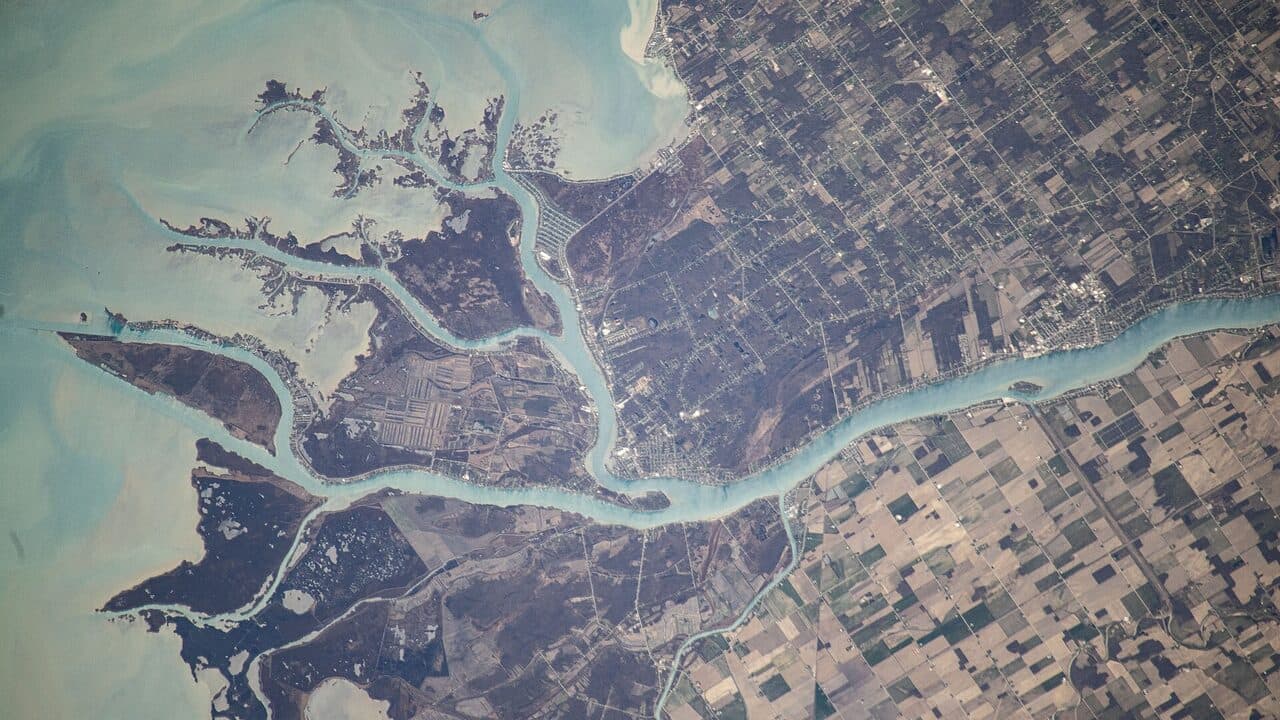
The defining number is depth. The lake averages about 11 feet, its natural bottom tops out around 21 feet, and the only reliably deep water is the 14.5-mile federal shipping channel the U.S. Army Corps of Engineers maintains at a 27.5-foot project depth — the lane that moved nearly 40 million tons of cargo in 2022. Water flushes through in seven days, down the channels the St. Clair River cuts through its delta — the largest in the Great Lakes system, a maze of marsh islands around Harsens and Walpole islands. Islands included, the shoreline runs to roughly 257 miles.
| Fact | Detail |
|---|---|
| Surface area | 430 sq mi (about 275,000 acres) |
| Length × width | 26 mi × 24 mi |
| Average depth | 11 ft |
| Deepest natural water | About 21 ft |
| Shipping channel | 27.5 ft project depth over 14.5 mi (USACE) |
| Elevation | 574 ft above sea level |
| Shoreline | About 257 mi including islands |
| Connects | Lake Huron to Lake Erie, via the St. Clair and Detroit rivers |
Launching and Marinas: The Nautical Mile, Anchor Bay and the River Towns
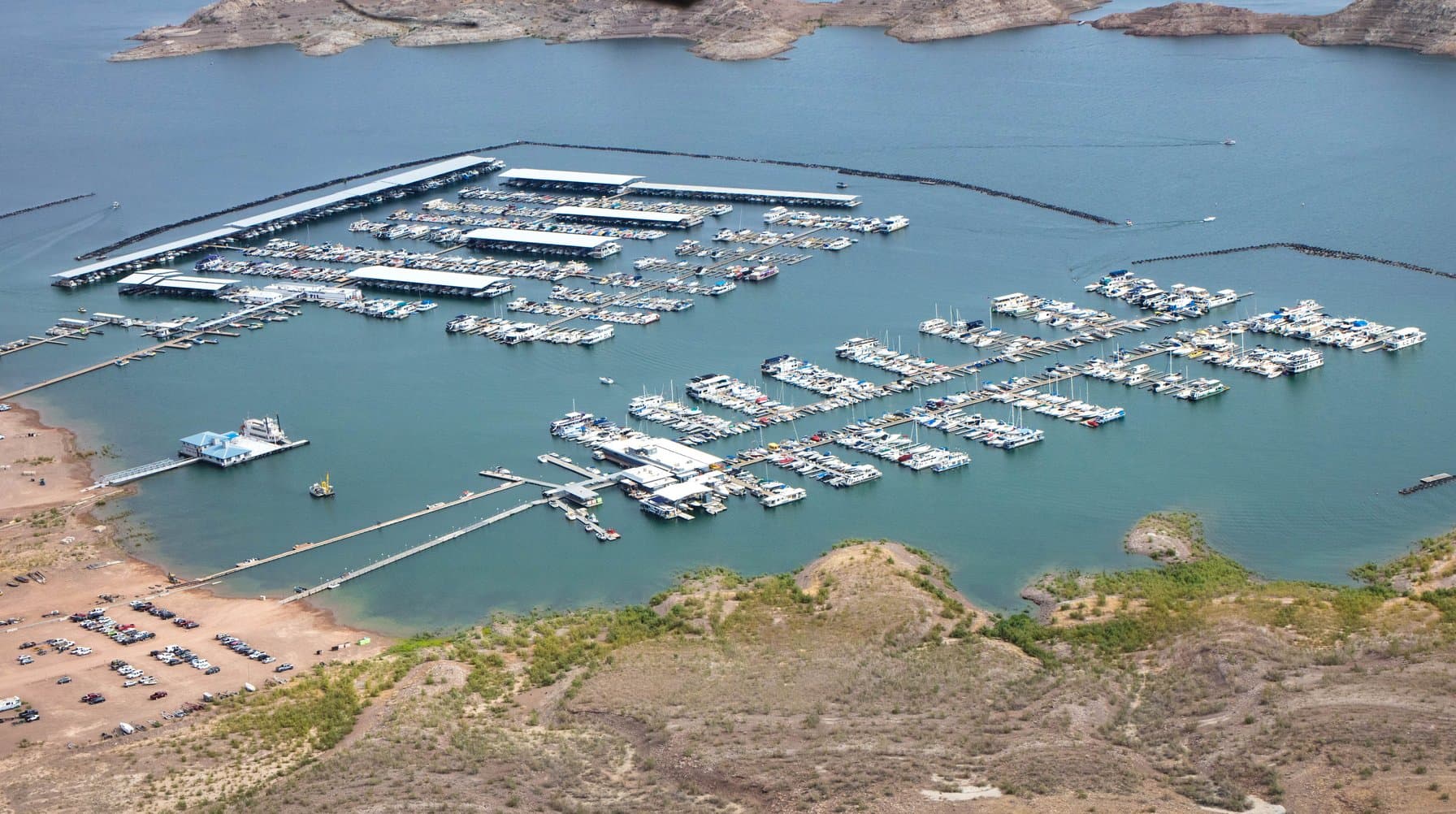
The marina map follows the Michigan shore, because most of the fleet lives there. At the southwest corner, St. Clair Shores packs close to 3,000 slips into the Nautical Mile — the Jefferson Avenue strip between 9 and 10½ Mile Roads, among the largest marina concentrations in the Midwest. North through Harrison Township, Lake St. Clair Metropark adds a public marina and launches below the Clinton River mouth; Chesterfield and New Baltimore ring Anchor Bay with ramps.
Macomb County counts more than 16,000 slips, and wet slips are a spring market: the good ones renew before the ice is out. Trailer boaters have it easier — launches dot the west shore from the Metropark to Algonac, where Marine City and St. Clair continue the pattern up the river. The Ontario shore is quieter, from Windsor down to Mitchell's Bay.
Where to Boat: Anchor Bay, the Flats and the Shipping Channel
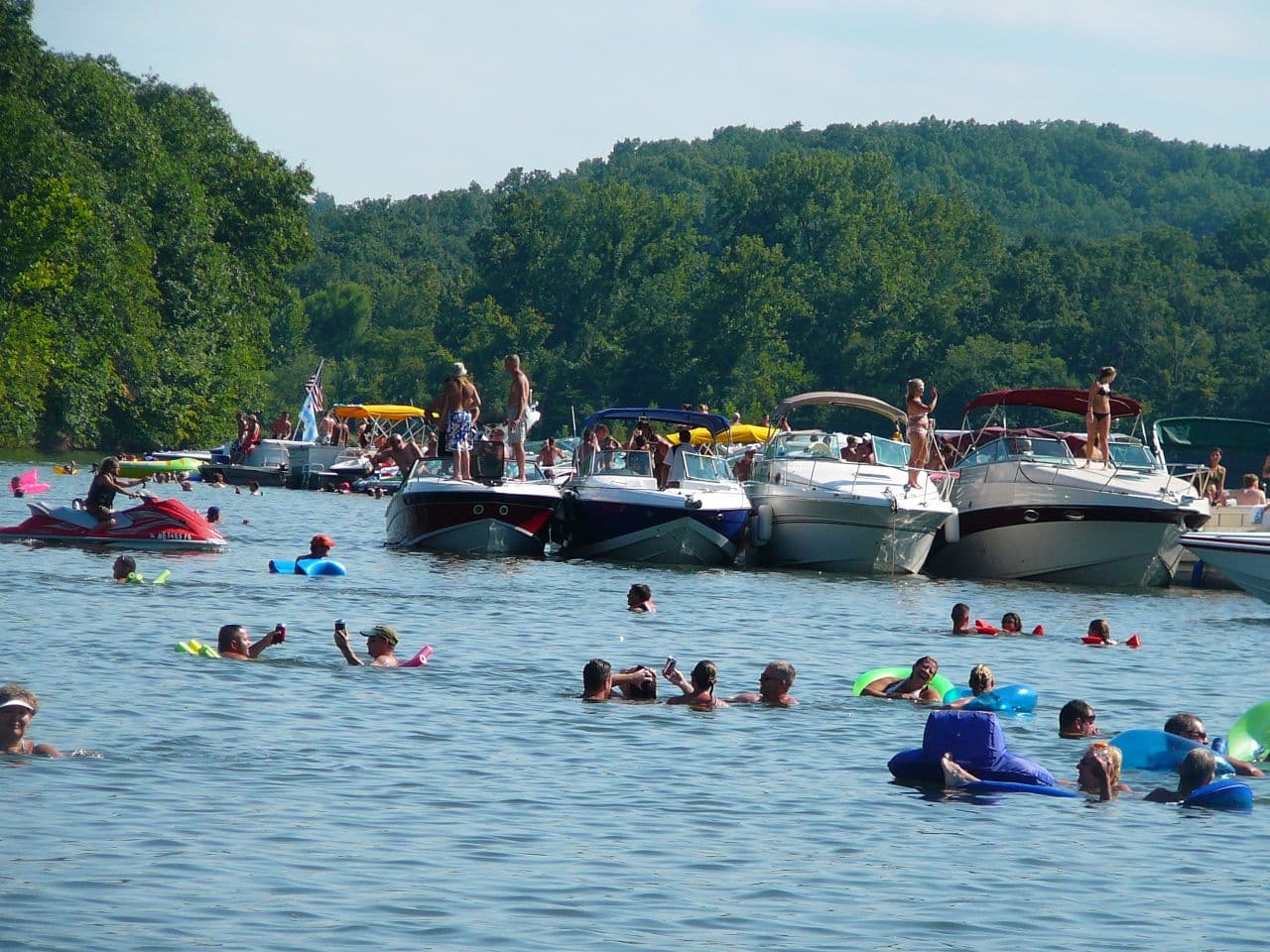
Anchor Bay, the broad northern bowl, is the warm, shallow nursery — much of it 3 to 8 feet — where the smallmouth fishing starts in spring and Selfridge Air National Guard Base anchors the west shore. It is the friendliest water for pontoons and family boats, its sandbars filling with anchored boats all summer.
The Flats are the other world: the river's delta, where the North, Middle and South channels braid through marsh islands, cottage colonies and the waterways of Walpole Island First Nation. It is trolling and casting water in the channels, duck marsh in the back bays, and the best argument for local knowledge — channel and marsh flat can differ by a foot. Raft-up culture concentrates in Muscamoot Bay off Harsens Island — the August raft-off draws thousands — and at Gull Island, home of the Jobbie Nooner each June.
Through the middle runs the working lake: freighters ride the dredged channel from the river mouth to the Detroit River, and the rule is simple — the channel is theirs. Cross at right angles, never anchor in it, and remember a laker at hull speed cannot stop or turn for a boat drifting the cut.
Lake St. Clair Boating Guide Rules: Two Countries, One Lake
Start with the state layer. Michigan registers boats through the Secretary of State — the process, fees and three-year decal are in our guide on how to register a boat in Michigan — while the Department of Natural Resources writes and enforces the boating rules, alongside the Coast Guard and county marine patrols. Michigan's education line is a birth date: operators born after June 30, 1996 need a boating safety certificate to run a motorboat, PWC operators born after December 31, 1978 need one too, and nobody under 14 may run a PWC.
The international boundary crosses the lake diagonally, unmarked, and changes two things: paperwork, and reporting. First, paperwork follows location: Michigan and Ontario licences cover only their own waters, each side's seasons applying on its own side. Under the Canada Border Services Agency's rules for private boaters, crossing into Canadian waters requires no report while you stay underway — no landing, anchoring, mooring or coming alongside another boat. The moment any of those happens, the operator must report to the CBSA's Telephone Reporting Centre (1-888-226-7277) before anyone else leaves the boat; the minimum fine is $1,000. Carry passports or NEXUS cards for everyone aboard, and report the trip home through the CBP ROAM app.
The Fishery: Musky First, Then Smallmouth, Walleye and Perch
The muskellunge fishery is the headline act: Great Lakes-strain musky in numbers no other lake in the system matches, hunted by a charter fleet trolling the channels and casting the flats. The Michigan DNR's season framework keeps it mostly a release fishery — catch-and-immediate-release is open all year, and possession runs only from the first Saturday in June through December 31, at a 42-inch minimum, one fish per angler per license year.
Smallmouth bass built the lake's tournament name — Bassmaster's national rankings put St. Clair first in the country in 2013, and the tours keep coming back. Bass are catch-and-release all year in Michigan waters, with possession (14-inch minimum, five in combination) opening the third Saturday in June. Walleye never close here — 15-inch minimum, five a day — and yellow perch (25 a day, no size limit) carry the late season and the ice. Ontario's seasons differ; check your licence against the shore you're facing.
Best Boats for Lake St. Clair: Draft Is the Whole Game
On an 11-foot lake, the spec that matters is under the hull. Multi-species fishing boats — deep-V hulls of 18 to 21 feet with a bow-mount trolling motor — are the working standard, built to run the channel chop and still fish the flats. Bass boats own the tournament scene, and the raft-up fleet runs to express cruisers and pontoons that can nose into three feet of Muscamoot water. Search fishing boats and cruisers for sale by draft, not just length.
Two cautions shape the used market. The open lake builds a short, steep chop that punishes flat bottoms and rewards a real V — sea-trial on a windy afternoon. And budget for electronics: a chartplotter with current charts is safety gear in water this thin.
Buying a Boat for Lake St. Clair: Slips, Storage and a Short Season
The buying maths are seasonal. The fleet launches in May and hauls out in October, making autumn the buyer's market and spring the seller's — a fall purchase must be winterised and stored before it is ever enjoyed. Changing boats? List the old one for sale ahead of the spring rush, not into it.
Keeping the boat is the second purchase. Wet slips on the Nautical Mile are the convenience option and price like it; rack storage and trailer keeping are how much of the fleet lives. If the right boat sits in another state, the transportation providers directory covers hauling it home; and insurance deserves a specific conversation with a broker from the insurance providers directory — not every policy treats Canadian waters alike.
Lake St. Clair Boating Guide FAQs
Do I need a passport to boat to the Canadian side of Lake St. Clair?
Carry one — or a NEXUS card — for everyone aboard. You may cross into Canadian waters without reporting only while you stay underway: no landing, anchoring, mooring or rafting up. Do any of those, and the operator must report to the CBSA's Telephone Reporting Centre (1-888-226-7277) before passengers disembark; U.S. boaters report the trip home through CBP ROAM.
How deep is Lake St. Clair, and what draft is safe?
The averages mislead: 11 feet on average, about 21 feet at the deepest, whole bays at 3 to 6 feet. A draft of 3 feet or less covers most of the lake outside the marsh flats; deeper cruisers live in the channels and dredged basins. Levels swing across seasons and years, too, so last summer's clearance is a hint, not a promise.
When can I keep a musky from Lake St. Clair?
In Michigan waters, possession runs from the first Saturday in June through December 31: 42 inches minimum, one per angler per license year, registered with the DNR if kept. The rest of the year it is catch-and-immediate-release — how most guides fish it in season, too. Ontario sets its own dates and a larger minimum.
Which fishing licence do I need on Lake St. Clair?
The one for the water under your hull. Michigan waters take a Michigan licence, Ontario waters an Ontario licence (with an Outdoors Card), and the side you're fishing sets the seasons and limits. The boundary is not buoyed, so a chartplotter with the border charted is the practical answer — above all in the delta, where channels weave across it.
Bottom line: this Lake St. Clair boating guide reduces to three habits — watch the depth sounder like a fuel gauge, treat the shipping channel as the freighters' road, and know which country's water your anchor is sitting in. Browse the boats for sale at BoatDealsDirect.com and find the shallow-draft hull this lake rewards.