How to Dewinterize a Boat: The Spring Commissioning Guide
How to dewinterize a boat step by step: batteries, impeller, fuel and freshwater checks, the first start and the shakedown.
9 min readOwning a Boat: Costs & Care
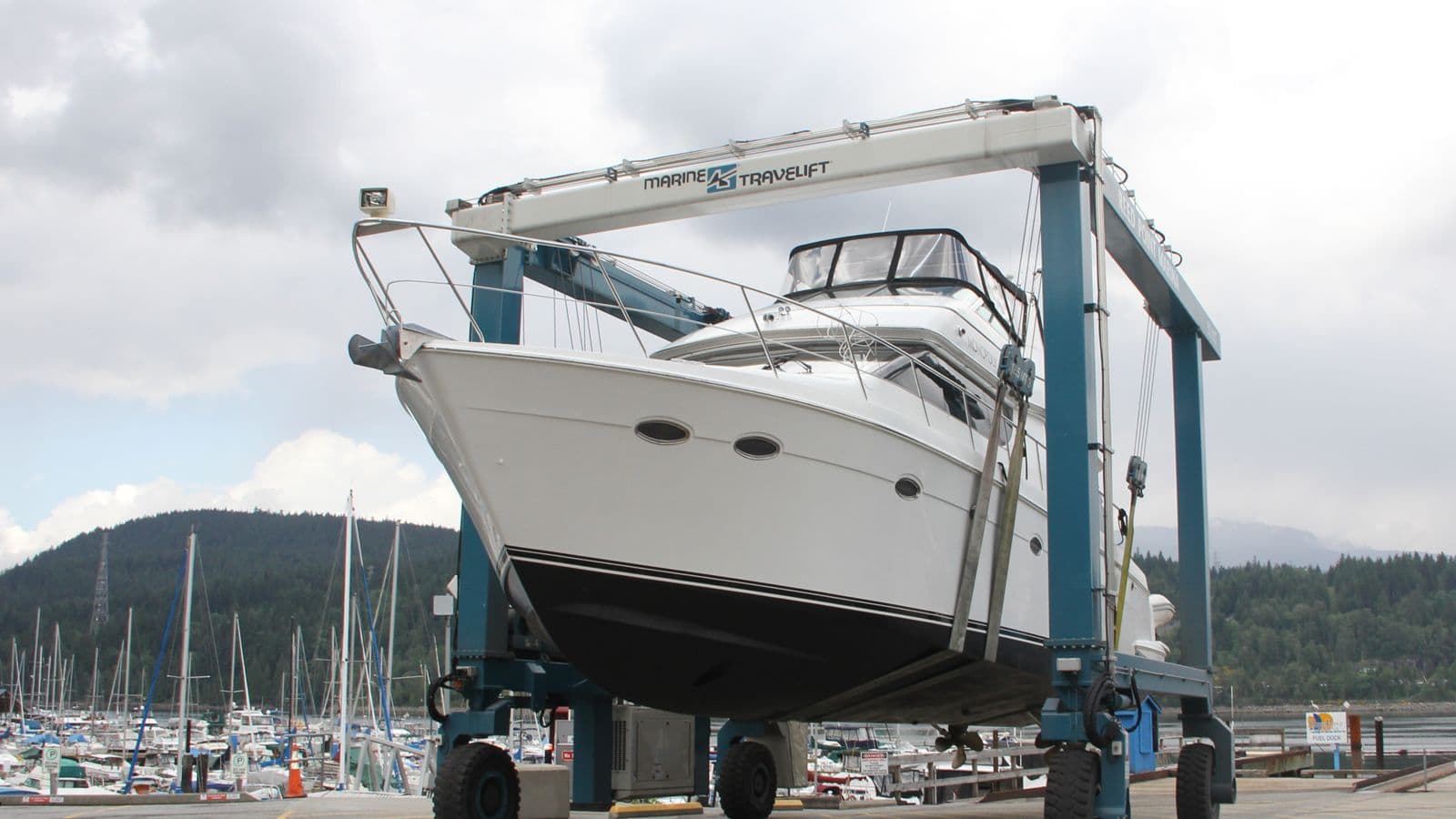
Dewinterizing looks like winterizing in reverse, and mostly it is — but a boat is not recommissioned by undoing a list carelessly. Antifreeze has to leave the systems it protected, every plug and hose autumn moved has to go back, and each system must be proved before the first trip, not during it. Learning how to dewinterize a boat in the right order turns launch day from a gamble into a routine — the other half of our how to winterize a boat walkthrough.
Timing is governed by the thermometer, not the first warm Saturday. Sea Tow's guide sets the trigger as nights staying consistently above freezing; Dockwa's adds the harder edge — wait until after the last spring freeze, checking the National Center for Environmental Information's frost dates. Refill too early and one hard freeze can undo a whole autumn of protection.
How to Dewinterize a Boat: The Full Checklist in Order
Work the reversal in this order and each stage checks the one before it: (1) uncover and inspect hull, hoses and seacocks; (2) reinstall the batteries, charged, and wake the electrics; (3) reassemble the engine — plugs in, impeller judged, fluids verified; (4) sort fuel and flush freshwater; (5) run the engine on a hose and hunt for leaks; (6) launch and take a short shakedown. The year-round rhythm around this event lives in our boat maintenance checklist; this post owns the spring morning itself.
Uncover and Inspect: Hull, Hoses, Seacocks and Anodes
Pull the cover and expect company: birds, wasps and rodents nest in exhaust outlets, bilge-pump discharges and air intakes. Clear them, air the cabin, check lockers and cushions for mildew. Then walk the hull: gelcoat blisters and stress cracks, freeze-split fittings, dried antifreeze trails from a weeping hose or cracked strainer bowl.
BoatUS's spring checklist builds this pass around rubber and metal: hoses felt for stiffness, rot and cracking; clamps checked for rust, replaced where suspect; fuel and exhaust hoses — and anything below the waterline — double-clamped in stainless. Exercise every seacock — one that will not move will not save you. Check the raw-water strainer for ice damage, the propeller for dings, and grip the shaft — play means a worn cutless bearing. On sterndrives, inspect the bellows folds for cracking. Zincs half eaten get replaced now.
Batteries Back In: Charge First, Then Connect
Batteries go back only when ready to work. BoatUS's sequence is charge, then connect: top up flooded cells with distilled water, charge fully, then clean, tighten and grease the terminals. Sea Tow's dewinterizing guide puts a number on "fully" — at least 12.6 volts at rest — and names a weak battery the number-one reason spring engines refuse to crank. A battery that sat discharged can hold a surface charge yet collapse under the starter — load-test a doubtful one before launch day.
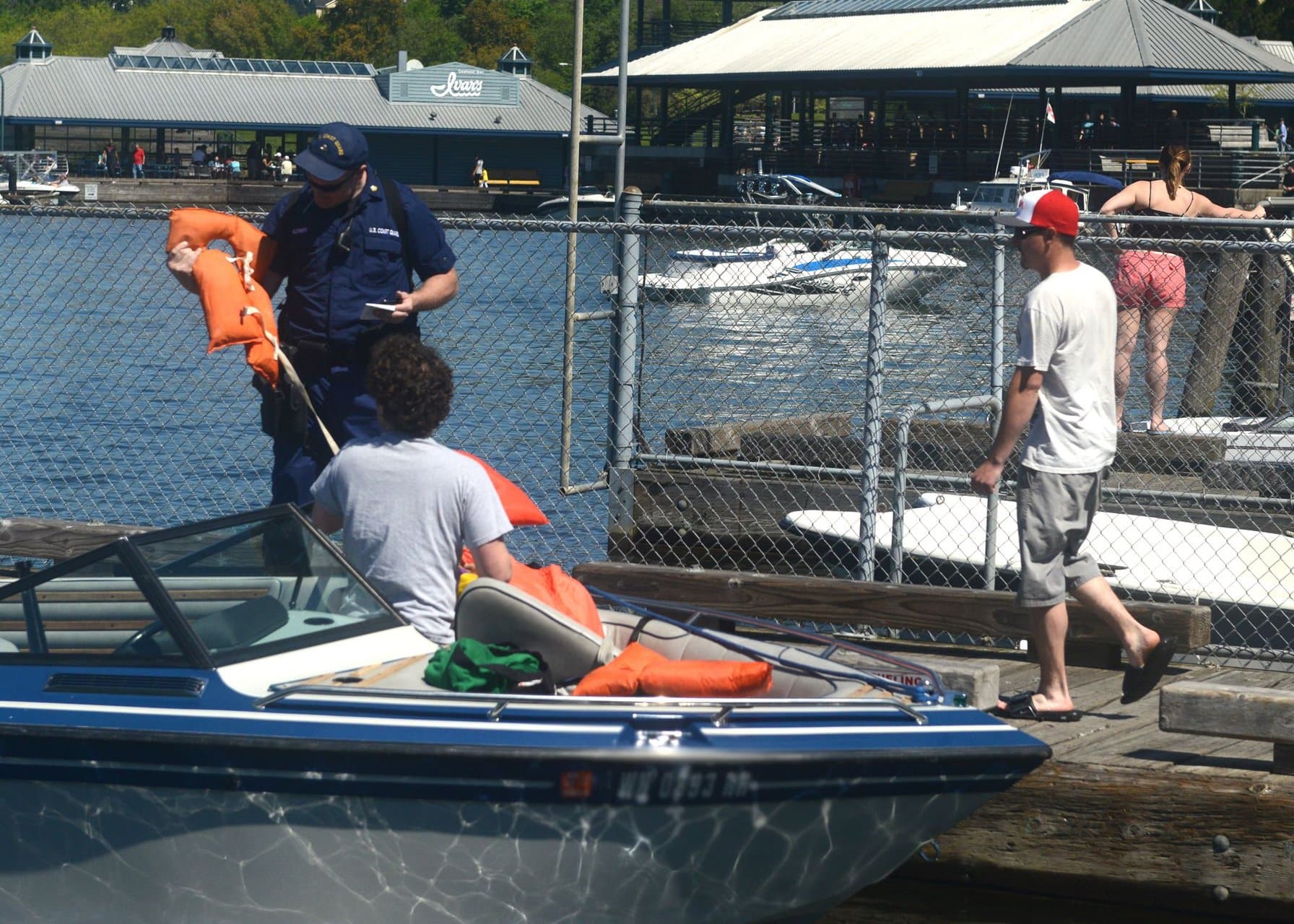
With power restored, wake the boat system by system. Test the bilge pump at the switch and by lifting the float. Run lights, blower, VHF and plotter; check the smoke and CO alarms. This is also the safety-gear hour: flares for expiry, the extinguisher for charge, life jackets for mildew, broken straps and outgrown children's sizes. Failures get replaced now.
The Engine Reversed: Drain Plugs, Impeller and Fluids
The engine work is mostly putting back what autumn took apart. Every block and manifold drain plug that came out for winterizing goes back in — Sea Tow's inboard extras lead with this — and every drain hose goes back on its clamps. Closed-cooling engines get coolant topped up 50/50; raw-water engines need their circuits whole again.
Oil is verification, not a job: if changed at winterizing, check level and condition and leave it; if autumn skipped it, change it now — winter-sitting oil carries acids and moisture. Gear lube gets the same check: milky means water past a seal, a repair before launch, not a top-up.
The impeller deserves a decision, not a glance. Its vanes take a set in storage and crack with age regardless of hours. Sea Tow's schedule replaces impeller and thermostat every 200 hours; if you cannot say when yours was last changed, this spring is when. Belts with more than half an inch of give between pulleys, or black dust below them, get replaced. Expect the first start to smoke as autumn's fogging oil burns off; smoke that stays is a symptom.
Fuel and Freshwater: Prime One, Flush the Other
Fuel first. The Sea Tow Foundation puts it bluntly: most spring engine problems trace to old ethanol gasoline that absorbed water over winter and phase-separated. If the boat was stored with stabilized fuel, your job is inspection: feel lines and vent hose for softness, brittleness and cracking, check joints for weeping, confirm clamps are snug, and replace the separator element if autumn skipped it. Squeeze the primer bulb until it firms; a soft bulb points to a leak or blocked vent, and a blocked vent can starve the engine. Unstabilized, suspect fuel gets drained and disposed of properly — filters will not rescue phase-separated gasoline.
Freshwater is the reverse of autumn's pink. Pump the antifreeze out through every faucet, shower and the head until it runs clear, un-bypass the water heater, refill and run each outlet again. Drain the first fill — it is a rinse — refill, and add the sanitizing treatment your tank maker specifies. Flush livewells and washdown lines too — the first bait should not meet last autumn's antifreeze — and treat the holding tank.
The First Start and the Shakedown Run
The first start happens on land, on a hose — muffs on an outboard or sterndrive, a fake-a-lake under an inboard. On gasoline inboards and sterndrives, federal rules require the blower to run at least four minutes before the key turns — then sniff the compartment to prove it worked. Then start and watch three things: cooling water (telltale on an outboard, exhaust water on an inboard), oil pressure, and the engine itself, walked around while it warms. Every plug and hose you touched is a suspect until it holds temperature dry.
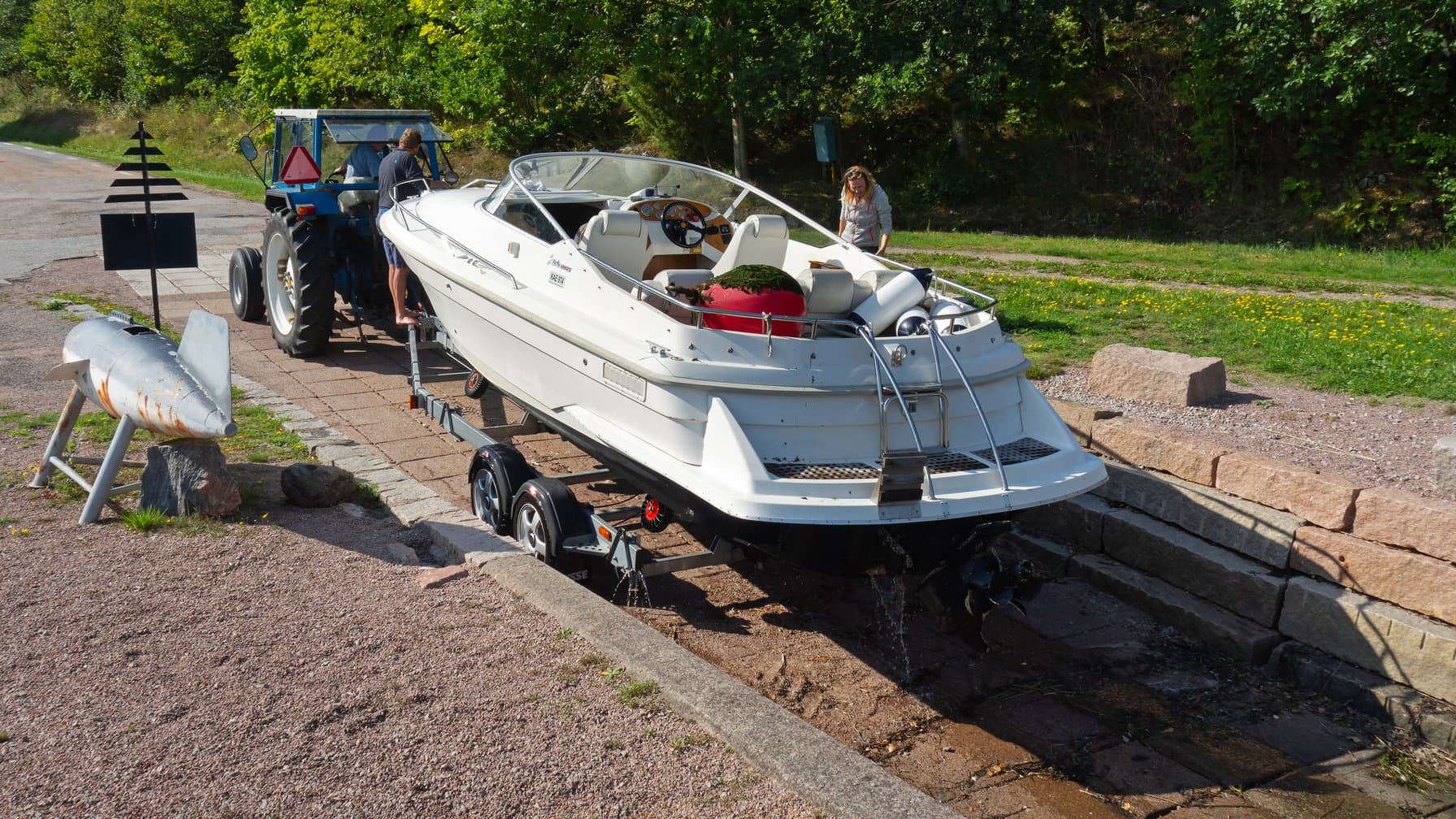
The drain plug goes in before the trailer moves — Sea Tow's pitfall list leads with it, fixed by taping it to the tow keys the night before. At the ramp, keep the bow strap on until the engine runs with oil pressure and cooling water showing. Run out gently — idle clear, a quarter of an hour at moderate throttle — then open the engine box and look once more. Take this run solo — twenty quiet minutes finds the problems without an audience.
DIY vs Professional Dewinterizing: Costs Compared
Dewinterizing is the cheaper direction. Sea Tow prices the spring supplies at $50–$100 for a basic commissioning. Sea Tow puts a basic professional de-winterize at $150–$500 for a runabout, with cruisers above that; Dockwa's dewinterizing guide cross-checks an average around $300, from roughly $100 for a single outboard to $500–$600+ for a larger cruiser.
| Route | Typical cost | Basis |
|---|---|---|
| DIY dewinterizing (supplies) | $50–$100 | Sea Tow spring commissioning guide |
| Professional, basic runabout | $150–$500 | Sea Tow spring commissioning guide |
| Professional, average job (cross-check) | About $300 | Dockwa dewinterizing guide |
| Professional, larger cabin cruiser | $500–$600+ | Dockwa dewinterizing guide |
Haul-out, launch and repairs sit outside these figures. The findings decide the DIY question — Sea Tow's pro triggers: milky gear oil, a suspected freeze crack, an engine overheating within seconds, electrical faults blowing fuses. Either way it belongs in the annual picture in our cost of owning a boat breakdown.
How to Dewinterize a Boat Mistakes That Undo Good Winterizing
The expensive spring list is as repetitive as autumn's. Launching with the drain plug still in the glovebox. Leaving one block drain plug out and discovering it as the bilge pump cycles. Cranking on phase-separated fuel until the starter joins the casualty list. Running the engine dry — even for seconds — which shreds the impeller you just inspected. Skipping the blower because the boat "aired out all winter." Expired flares and a flat extinguisher discovered at the ramp.
Registration and decals expire quietly over winter; check them before the first trip, not at the first ramp inspection. Many policies also carry a lay-up period — covered ashore, not yet in navigation. Launch inside it and you may be boating uninsured, so confirm the season has restarted on your policy; unclear terms are a question for the insurance providers before the boat moves.
How to Dewinterize a Boat FAQs
When should you dewinterize a boat?
After the freeze risk has passed: nights consistently above freezing and the last spring freeze behind you — Dockwa's guide points owners to the National Center for Environmental Information's frost dates for their county. Refill earlier and you trade autumn's protection for spring's repair bill.
How long does it take to dewinterize a boat?
A few hours for a properly winterized outboard boat — Sea Tow budgets a few hours and $50–$100 of supplies for the basic job. A cruiser with full systems is most of a day the first time.
Do you have to change the oil again if you changed it at winterizing?
No — the autumn change exists so the engine stores with clean oil. In spring you verify level and condition and run it; the spring change is only for engines whose autumn change was skipped.
Can I dewinterize a boat myself, or should I hire it out?
Most owners of outboard and small sterndrive boats can do the full reversal with basic tools and the manual. Hire it out for professional-scale findings — milky gear lube, a suspected freeze crack, instant overheating, recurring electrical faults — or when complex systems make a missed step expensive.
Bottom line: how to dewinterize a boat is a reversal with a proof at the end — put back everything winterizing moved, flush what was protected, charge what sat — and let a hose test and a solo shakedown declare the season open. Work it in that order and opening day is just a boat ride. Starting over with a different boat instead? Browse the boats for sale now, while yards still have commissioning slots — and run this checklist on whatever comes home.