Cuddy Cabin Buying Guide: Sizes, Layouts and Used Prices
Cuddy cabin buying guide: sizes from 18 to 28 feet, V-berth layouts, sterndrive vs outboard power, towing weights and used prices.
9 min readBoat Buying Guides
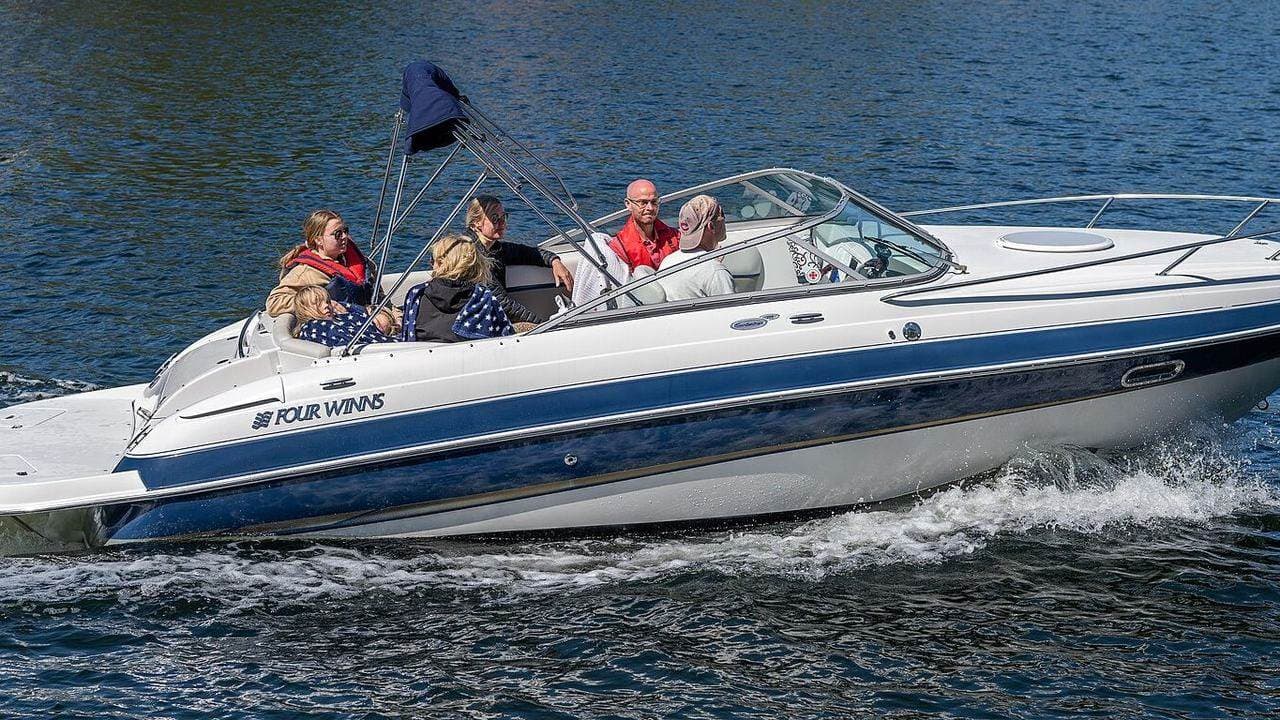
Every open boat reaches the same moment: the rain cell on the horizon, the toddler who needs a nap, the night you would rather anchor in the cove than run back to the ramp. A cuddy cabin is the smallest boat that answers all three — an open cockpit for the day, a small enclosed cabin in the bow for everything else. This cuddy cabin buying guide covers the step up in full: what the cabin fits, which sizes tow and sleep well, sterndrive versus outboard power, used prices, and the checks that decide whether a cheap cuddy is a bargain or a project.
What Is a Cuddy Cabin — and Who It's For
A cuddy cabin boat carries a small enclosed cabin under the foredeck of an otherwise open powerboat. Take Me Fishing's boat-type explorer puts the type at 18 to 28 feet, trailerable, vee-hulled and rated for up to eight people by day. Inside you get a V-berth — two cushions that follow the bow's vee and meet at the foot — storage lockers underneath, and on boats from about 22 feet a small head compartment or screened portable toilet. Headroom is sitting headroom, typically four to five feet: enough to sleep, change and shelter, never enough to stand and cook.
That halfway house is exactly the point. The deck boat buying guide owns open-layout family boats, which seat more people in the sun but offer nowhere enclosed to sleep. The best cruiser boat brands ranking owns the next step up — express cruisers with standing headroom, at cruiser prices. The cuddy owns the cabin step-up itself: the first rung where a day boat becomes a boat you can spend the night on, without giving up trailering.
Cuddy Cabin Sizes: Matching Length to Your Water
Length decides almost everything about a cuddy, because the cabin eats the same bow space on every hull — a longer boat is mostly a bigger cockpit and better ride, not a bigger bed. Three bands cover the fleet:
18 to 21 feet is the entry band: a cuddy in name and shelter more than a sleeper. The V-berth fits two for a night at a stretch, the head is a portable toilet under a berth cushion, and the boat day-cruises like the runabout it is based on.
22 to 25 feet is the sweet spot, and the bulk of the used fleet. The berth becomes a genuine two-person bed with a filler cushion, most models add a screened head space and a sink, and the deeper hull rides bay chop instead of enduring it.
26 to 28 feet tops the type out. Cabins gain an enclosed head on the best models, but wide beams, heavier trailers and marina bills arrive too — and at this size a used express cruiser competes for the same money with standing headroom.
| Size band | Cabin reality | Head | Typical use |
|---|---|---|---|
| 18–21 ft | V-berth for two, snug | Portable toilet | Day boat that can overnight |
| 22–25 ft | Full V-berth with filler cushion | Screened space or portable toilet | Weekend overnights for a couple |
| 26–28 ft | Berth plus more storage and finish | Enclosed head on some models | Bigger-water cruising, larger crews |
Inside the Cuddy: Layouts, Berths and Heads
Shop the cabin with a tape measure and a lie-down test, because brochure berths flatter. A usable V-berth is at least six feet along the centreline with the filler cushion in; sit up in it — if your head brushes the deckhead before your back is straight, rainy mornings in bed are off the menu. Cushion condition matters beyond comfort: water staining and mildew smell are the visible record of hatch and deck leaks, the cuddy's signature used-boat fault.
Heads divide the fleet cleanly. Small cuddies carry a portable toilet under the centre berth cushion — simple, nothing to pump out. Larger models fit a plumbed marine head, sometimes in its own compartment: a genuine comfort step, paid for in holding-tank and hose maintenance.
The rest of the cabin is storage and air: lockers under every berth cushion, portlights that actually open — a sealed cuddy in summer sun is a sauna by noon — and, at best, a sink and a cooler where the galley was promised.
Power Choices: Sterndrive, Outboard and Jet
Take Me Fishing lists the type's propulsion as outboard, sterndrive or jet, and the used fleet is dominated by one of the three: the sterndrive (inboard-outboard). Through the cuddy's peak decades, a small-block V6 or V8 driving through the transom was the standard package — quiet, car-like, with a full-width swim platform. Its costs are known: bellows, gimbal bearings and transom assemblies that age whether the boat runs or not.
Outboard cuddies are the growth segment of the used market and nearly all of what little new production remains: the engine hangs outside the hull, tilts clear of the water, and can be re-powered without cutting the boat apart. Jet-drive cuddies exist in small numbers. Whichever hangs on the transom, the rule is the same: you are buying the engine first and the cabin second — hours, service records and a cold start tell you more than the gelcoat does.
Towing and Storage: The Cuddy's Hidden Bargain
Unlike the cruisers it steps up toward, a cuddy still lives on a trailer — no slip rent, no lift fees, winter storage in a driveway, a new lake whenever the tow vehicle points at one. Most cuddy beams sit at or under eight and a half feet, the width that tows legally everywhere without a permit, and the 18-to-25-foot fleet runs on single- or tandem-axle trailers.
Do the arithmetic with loaded weight, not brochure dry weight: hull, engine, fuel, gear and trailer all count against the trailer's rating and the tow vehicle's limit. The other number worth reading is the capacity plate — 33 CFR 183.23 requires maximum persons, weight and horsepower capacities to be marked on boats in the covered classes.
Cuddy Cabin Buying Guide Prices: What the Used Fleet Costs
The cuddy is a used-boat story now: builders have moved their small-boat lines toward open decks and centre consoles, so the fleet for sale is mostly 1990s-to-2010s sterndrive boats — precisely why it is such good value. The centre of the market sits comfortably under $50,000: browse the cuddy-sized fleet under that ceiling and the pattern is consistent — clean 22-to-25-foot boats in the middle of the band, tired boats well below it, late low-hour examples pressing the top.
Three things move a cuddy's price more than its year does. Engine condition first: a documented repower or freshly serviced drive can be worth more than five model years. The trailer second: a roadworthy tandem-axle trailer is real money saved, and a rotten one is a negotiation lever. Canvas and upholstery third: replacing either costs enough that boats wearing new canvas rightly ask more. Shop Boat Deals Direct's boat listings with those three filters in mind.
Used Cuddy Cabin Checks Before You Buy
A cuddy concentrates the standard used-boat risks in two places: the engine bay and the cabin. The used boat inspection checklist covers the general pass; these are the cuddy-specific additions.
Start in the cabin. Press every berth cushion seam for damp, look up at the hatch and deck fittings for drip tracks, and push hard on the cabin sole and the deck above — a soft, spongy foredeck means water has been entering the core, usually through the hatch, stanchions or the anchor locker. Perished sanitation hoses announce themselves by smell long before they leak visibly.
Then the sterndrive, where this type hides its biggest bills. Cracked or perished bellows let water into the gimbal bearing and the boat; a drive that has sat for years needs them regardless of how the engine runs. Probe the transom around the drive cut-out for softness, and read the engine's service story in its paperwork rather than its paint. Where the numbers are serious, the boat survey cost guide explains what a professional pass buys you — on a cuddy with a tired drive, it is the cheapest money in the deal.
Cuddy Cabin Buying Guide FAQs
Can you actually sleep overnight on a cuddy cabin?
Yes — that is the type's reason to exist. The V-berth sleeps two adults for a night or a weekend. What it will not do is host them: no standing headroom, no real galley. Think of it as a hard-sided tent that floats, for couples who spend their days in the cockpit and their nights at anchor.
What is the difference between a cuddy cabin and a deck boat?
The bow. A deck boat keeps the bow open — wraparound seating, nowhere enclosed. A cuddy closes the bow into the small cabin this cuddy cabin buying guide is about, trading two or three bow seats for a berth, a head and lockable storage. Same family brief, opposite answers to the overnight question; the deck-boat guide owns the open-layout side.
What size vehicle do I need to tow a cuddy cabin?
For the 22-to-25-foot sweet spot, a full-size SUV or a half-ton pickup is the honest answer, sized by the loaded combination — boat, engine, fuel, gear and trailer — against the vehicle's tow rating, not by dry weight. The 18-to-21-foot band tows behind mid-size SUVs. Either way, budget for trailer brakes, which most states require at these weights.
Are cuddy cabins still made new?
Only in small numbers. Builders have shifted their small-boat ranges to bowriders, deck boats and centre consoles, and most current cuddy production is outboard-powered. The type's best value, and nearly all of its choice, sits in the boats already built.
The Bottom Line
The cuddy cabin is the cheapest honest answer to the overnight question: a trailerable day boat that sleeps two, at used prices the cruiser market cannot touch. Buy the 22-to-25-foot band, and buy the engine's history before the hull's shine. This cuddy cabin buying guide's last step is the fleet itself — start with the boats under $50,000 and let the checks above sort them.