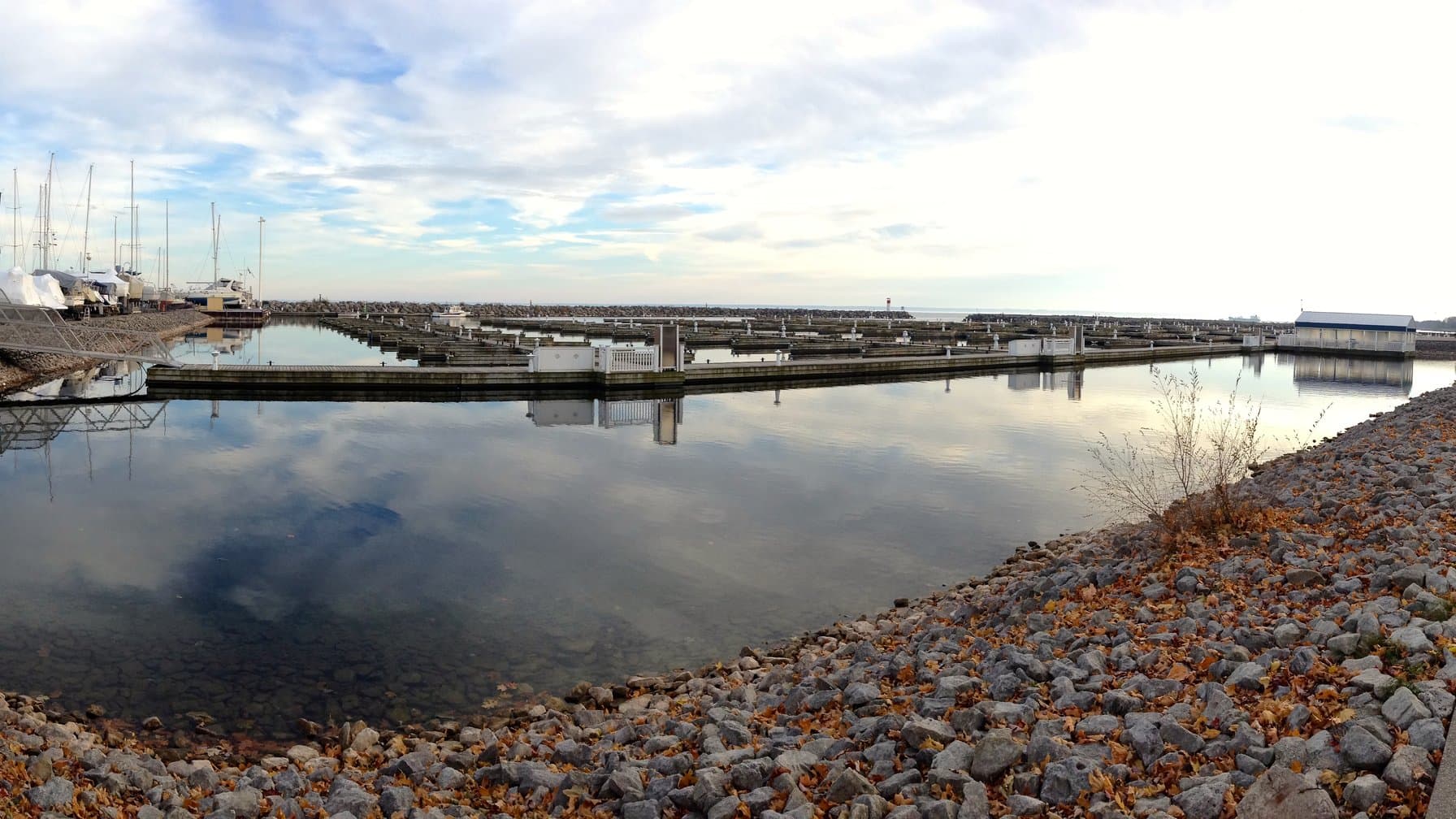
Best Time to Buy a Boat: When Prices Are Lowest
The best time to buy a boat is the off-season — the months when everyone else has stopped shopping. Boat prices follow the boating calendar, not the quality of the boat: the same hull, engine and trailer cost less in November than in April because demand, not value, sets the asking price. Time your purchase to the slow months and the market does part of your negotiating for you, whether you are scanning the boat listings for a used bargain or ordering new.
Why the Best Time to Buy a Boat Is the Off-Season
Boats are seasonal goods with year-round carrying costs, and that combination bends prices. A dealer holding a boat into winter pays floor-plan interest, insurance and storage on it while showroom traffic thins; a private seller faces a winterization bill and a storage contract for a boat they have already decided to leave. Progressive's buy-timing guide puts the pattern plainly: the best months to buy a boat — both used and new — are typically September, October and November, and the worst are the spring and summer months, March through August.
Three forces do the work. Demand collapses once the weather turns cool, so each remaining buyer matters more. Manufacturers start offering discounts and price reductions to keep factories and dealers moving. And sellers on both sides of the market are motivated to clear inventory before the next model year lands. None of this makes a spring purchase foolish — it makes it a purchase of immediacy. In spring you pay for a full season that starts now; in fall you are paid, in discount, to wait for it.
| Season | Months | Price pressure | Selection | Best for |
|---|---|---|---|---|
| Fall | September–November | Lowest on current-year stock; clearance pricing | Good, shrinking | Most buyers — savings with choice |
| Winter | December–February | Low; boat show incentives and year-end deals | Thinnest on used, holdovers on new | Patient negotiators |
| Spring | March–May | Rising fast | Widest of the year | Buyers who need a sea trial and options |
| Summer | June–August | Peak | Good, but contested | Buyers who value immediate use over price |
Fall: The Best Time to Buy a Boat for Most Buyers
Fall is where the curves cross: selection is still real, but motivation has arrived. Dealers need current-year boats gone before new models fill the lot, so clearance pricing replaces sticker discipline. Manufacturers support the push with rebates and price reductions, and Sportsman Boats' guide to buying for deals names fall and early winter as the sweet spot for maximum savings — old stock clearing, fewer buyers competing, and end-of-year incentives stacked on top.
For used boats, fall adds a deadline only sellers feel. Every week a private seller holds a boat past the season is a week closer to paying for winter storage, winterization and another season of insurance on a boat they no longer use. That arithmetic is negotiable value: an offer that covers their avoided storage season can close a deal that the same money would not touch in May. Shop the fall listings hard, but shop them early in the window — the best-priced boats move first, even in a slow market.
Winter: Boat Shows, Holdovers and Year-End Deals
Winter is the slowest stretch of the boating year, and Progressive notes that prices decrease with it. Two winter channels do most of the work. The first is the boat show: Discover Boating's buy-timing guide notes that boat shows often offer some of the best special deals, incentives and pricing of the year, and that in most areas shows run from late fall through early spring — early enough that a boat ordered at a show, outfitted to your liking, can still be delivered for the season. Lenders play along: financial services offer pre-qualification deals specifically for boat shows, so you can shop knowing exactly which models fit your budget.
The second channel is the holdover. When the new model year arrives, last year's unsold boats become the dealer's problem, and Discover Boating describes model-year holdovers as boats dealers are motivated to move as soon as possible — at a discounted price. A holdover is a new boat with a full warranty and last year's decals; if the model did not change materially, it is the cleanest discount in the market. The honest limitation, also from Discover Boating: incentive shopping means accepting what a dealer has in stock, in the colors and options on the floor, rather than ordering exactly your build.
Spring and Summer: When You Pay for the Season
From March through August, the leverage flips. Buyers who waited all winter arrive at once, every seller knows the season is short, and Progressive calls these the worst months to buy: demand is high, sellers capitalize on it, and a good price is hard to negotiate. Nothing here is a scam — a boat bought in April delivers a full season of use, and for many families that season is the entire point.
Spring does offer two genuine advantages worth paying for. Selection peaks: trade-ins flood in, new models are on the floor, and the used listings refresh daily. And the water is open, so a proper sea trial — the single best test of a used boat — is easy to schedule. If you buy in the expensive window, buy those advantages deliberately: insist on the sea trial, compare three listings before offering, and let the boats under $50,000 filters keep your budget honest while the market tries to stretch it.
New vs Used: The Calendar Reads Differently
New boats: chase the model-year changeover
The new-boat calendar turns on one event — the model-year changeover. Current-year boats are discounted as replacements arrive, manufacturer rebates cluster at year-end, and boat show pricing covers the winter gap. Sportsman adds one more window: post-holiday winter sales and early spring deals on leftover stock, for buyers who missed fall. Your negotiating ceiling is highest on a boat the dealer already owns and lowest on a factory order in spring.
Used boats: chase the seller's deadline
Used prices follow the seller's costs, not the factory's calendar. Fall is prime because storage and winterization bills come due; winter stays soft because, as Progressive notes, private sellers may not want to pay to store a watercraft through the cold months. Spring relists the same boats at full-season prices, often with a fresh detail and renewed confidence. The used buyer's edge is patience plus readiness: financing arranged, surveyor identified, and a deposit available the day a fairly priced boat appears.
The Real Costs of Buying in the Off-Season
Off-season savings are not free, and honest math nets them out. Buy a boat in November in a cold climate and you own a storage bill — indoor, covered or lot — plus winterization, before your first launch. A winter purchase can also mean a limited sea trial: harbors freeze, sellers have already winterized engines, and some inspections must wait for spring commissioning, which argues for a survey with a spring sea-trial contingency written into the deal.
Selection is the third cost. The fall window starts wide and narrows; by February the used market is thin and the new market is holdovers and show orders. Waiting for the absolute bottom of the market can mean missing the boat you actually wanted. The practical rule: buy when price, boat and your readiness intersect — use our how much boat can I afford guide to fix the budget number before the season fixes it for you.
How to Negotiate When the Market Is Slow
Slow months reward prepared buyers more than aggressive ones. Arrive with comparable listings printed, financing pre-qualified, and a walk-away number set in advance; a dealer clearing inventory would rather close a clean deal today than hold out for a spring buyer who may never come. Ask what the discount is made of — price reduction, rebate pass-through, or included gear — because gear packages cost the dealer less than their retail value to you.
Negotiate the whole deal, not just the headline price. In the off-season, storage until spring, winterization, delivery, commissioning and the first service are all cheaper for a seller to give than cash, and each one deletes a real bill from your first season. On a used boat, anchor the conversation to the seller's calendar: every month they keep it costs them money, and a fast, certain closing is worth a concession. Then close promptly — off-season goodwill expires the moment the weather turns.
Best Time to Buy a Boat FAQs
What is the single best month to buy a boat?
Progressive names September, October and November as typically the best months for both new and used boats. October and November usually balance both sides best: clearance motivation is in, and fall selection has not yet thinned to winter levels.
Are boats cheaper at boat shows?
Often, yes. Discover Boating notes that boat shows offer some of the best special deals, incentives and pricing of the year, and shows run from late fall through early spring in most areas. Show pricing is strongest on in-stock boats and holdovers; a factory order may carry less discount.
Is it risky to buy a used boat in winter without a sea trial?
It carries a real risk, which is why winter deals are cheaper. Protect yourself with a professional survey, a cold engine start where possible, and a contract that holds part of the price against a spring sea trial and commissioning check. If the seller refuses all three, price the risk in or walk away.
When is the worst time to buy a boat?
March through August, per Progressive: demand peaks, sellers hold firm, and negotiating a good price is hardest. A spring or summer purchase can still be right — you are buying a full season of immediate use — but expect to pay for it.
Bottom line: the best time to buy a boat is when the market is coldest — September through February for most buyers, with fall offering the best mix of price and selection and winter adding boat show deals. Set your budget, watch the boat listings through the slow months, and let the season negotiate for you at Boat Deals Direct.